

Industry Applications

Braking System

As a critical sensing component within the ABS (Anti-lock Braking System), the magnetic rubber seal is embedded within the wheel speed sensor via multi-pole magnetisation technology. When the wheel rotates, the magnetic ring cuts through the magnetic field, generating an alternating electrical signal. The ECU analyses this signal's frequency to calculate wheel speed in real time. Its advantages include:
Precision Control: The rubber matrix, uniformly distributed with magnetic particles, ensures signal stability, enabling precise control of the slip rate within the optimal 20% range; Environmental Adaptability: Oil-resistant and ageing-resistant rubber material enables long-term operation across -40°C to 120°C working conditions; Integrated Design: Combined with sealing functionality to reduce brake fluid leakage risks while simplifying sensor structure. (The number of magnetic poles directly impacts signal resolution; passenger vehicles typically employ 48-pole or higher designs.)

Product Applications

Magnetic Powder Brake: Adjusts the magnetisation intensity of the magnetic powder chain via excitation coils to instantly generate adjustable damping force, enabling seamless integration between regenerative braking and mechanical braking in new energy vehicles. Its response time is <10ms, significantly outperforming traditional hydraulic systems;
Dual-Motor Parking System: An auxiliary motor drives magnetic wedges to lock the rotor shaft. Combined with Hall sensors, it achieves self-adjustment at the 0.1mm level, preventing brake drag.
Tension Control: In industrial braking applications, magnetic powder brakes utilise the linear relationship between current, magnetic force, and torque to achieve constant tension control during coil production.
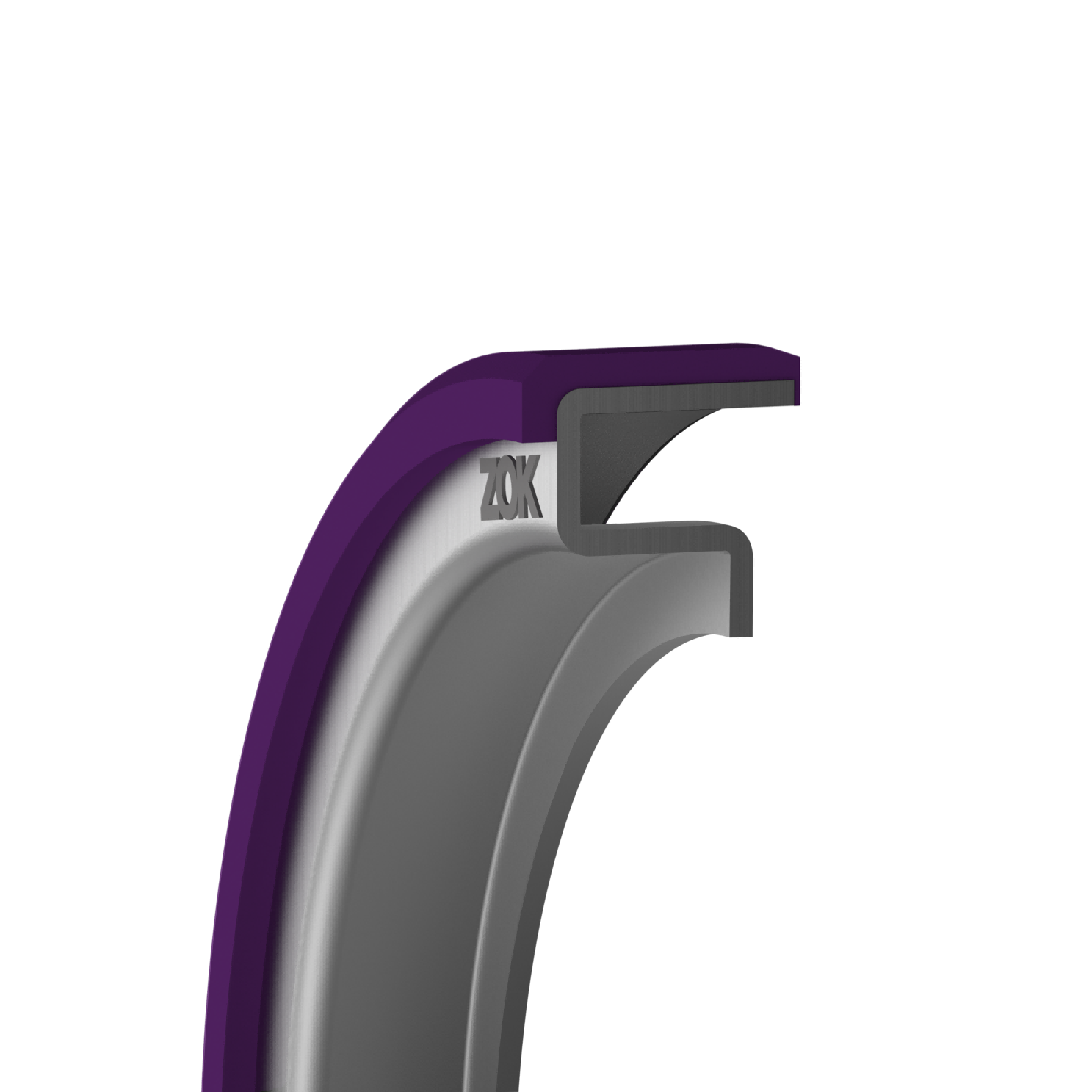
Automotive Magnetic Encoder

Automotive Magnetic Encoder

Automotive magnetic encoders employ magnetic field sensing technology to achieve non-contact position measurement by detecting magnetic field variations generated by rotating permanent magnets. Suitable for automotive motor control, steering systems and wheel speed detection, they feature resistance to oil contamination and vibration. Developed specifically for automotive electronic systems, this high-reliability magnetic encoder employs integrated magnetic circuit (IMC) technology and a horizontal Hall array to achieve precise angle/position detection. Certified to ASIL-B functional safety standards, it operates within a wide temperature range of -40°C to 150°C, ensuring long-term stable performance under harsh in-vehicle conditions.

Learn More

Automotive Magnetic Encoder

Automotive magnetic encoders employ magnetic field sensing technology to achieve non-contact position measurement by detecting magnetic field variations generated by rotating permanent magnets. Suitable for automotive motor control, steering systems and wheel speed detection, they feature resistance to oil contamination and vibration. Developed specifically for automotive electronic systems, this high-reliability magnetic encoder employs integrated magnetic circuit (IMC) technology and a horizontal Hall array to achieve precise angle/position detection. Certified to ASIL-B functional safety standards, it operates within a wide temperature range of -40°C to 150°C, ensuring long-term stable performance under harsh in-vehicle conditions.

Learn More

Solving your equipment sealing challenges

Contact us, and we shall promptly provide you with customized oil seal solutions through our expertise and capabilities.

Contact Us

Hotline

+86-573-87258288

Contact

Top